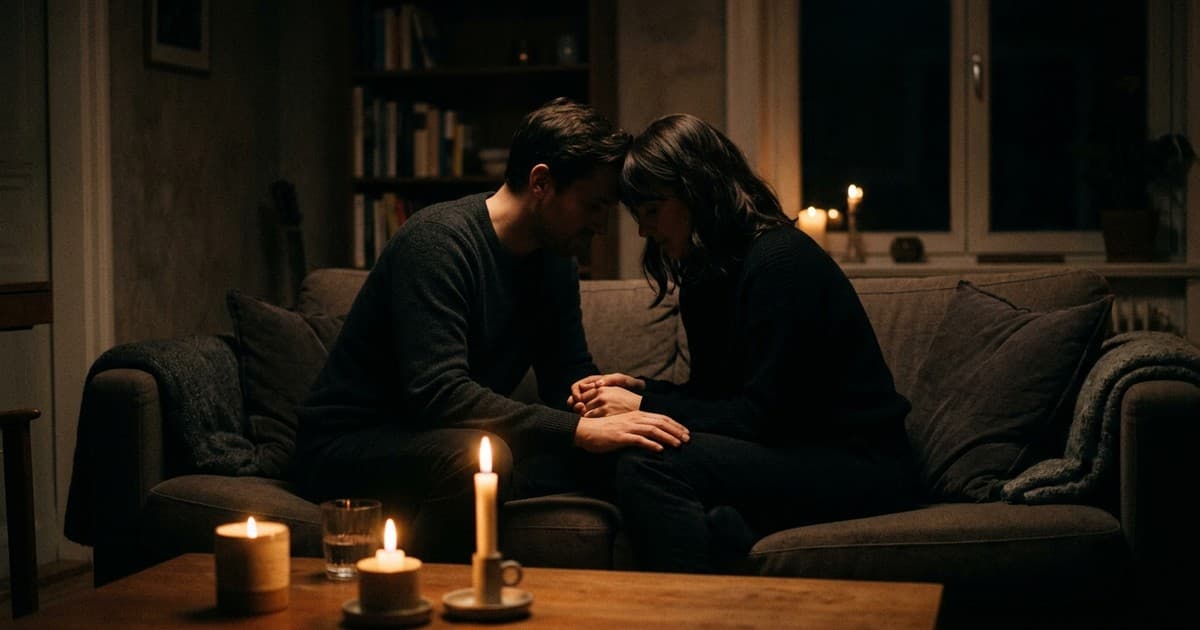
It's not about paperwork
Nobody sits down to write a BDSM contract because they love filling out forms. They do it because they want something for their relationship that verbal agreements alone can't give them.
A contract makes the dynamic feel real. Intentional. Like something you built on purpose instead of something that just happened to you. There's a difference between "we kind of fell into this" and "we sat down, talked it through, and agreed on exactly how we want this to work." The second one feels different. It carries more weight — for both of you.
It changes how you see each other
When your partner hands you a pen and says "let's write this together," they're telling you something. They're saying your boundaries matter enough to document. That your aftercare preferences aren't just nice-to-know information — they're commitments. That the power you're exchanging isn't casual.
That kind of intentionality is attractive. It's the difference between a partner who says "yeah, I'll take care of you after" and one who's written down exactly how, because they asked, and they listened, and they remembered.
Dominants who write contracts with their submissives aren't doing extra work. They're demonstrating the kind of care and attention that makes someone feel safe enough to actually let go. Submissives who bring a contract to the table aren't being difficult. They're showing they take the dynamic seriously enough to invest in it.
It deepens the conversation
Most couples talk about their dynamic. But "talking about it" usually means hitting the highlights — the fun stuff, the things you're excited about. The contract makes you go further.
What happens when one of you wants to stop? Not during a scene (that's what safewords are for) but stop the whole thing. How do you handle jealousy if your dynamic involves others? What does a bad day look like, and how does the dynamic adjust for it?
These aren't conversations that happen naturally. They happen because the contract has a section for them and you can't skip it. Every couple who's gone through this process says the same thing: "We learned things about each other we never would have brought up on our own."
That's the real product. Not the paper. The understanding.
It creates a ritual
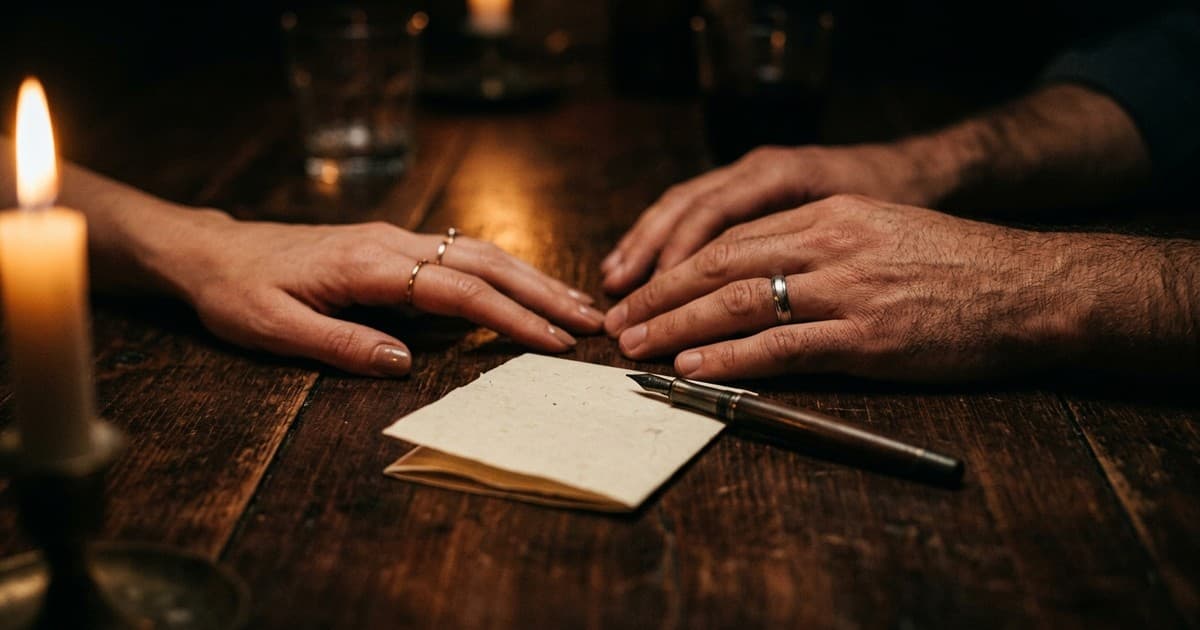
There's something about sitting across from your partner, reading through each section together, and both signing at the bottom. It marks a moment. It says: before this, we were figuring it out. After this, we've agreed.
Some couples frame theirs. Others keep it in a drawer and pull it out when they want to revisit something. Some treat the signing like a small ceremony — candles, wine, the whole thing. However you do it, the act of signing together creates a shared reference point for your relationship.
"Remember when we wrote the contract?" becomes a touchstone. It's a moment you built together, and it anchors the dynamic to something tangible.
It gives you something to grow into
A contract isn't static. The best ones get revisited. Three months in, six months in, a year in — you sit down again, read through what you wrote, and talk about what's changed.
Maybe your soft limits have shifted. Maybe you've discovered new interests through the kink quiz or activity list. Maybe the aftercare section needs updating because you know yourselves better now.
Each revision is another conversation, another moment of connection. The contract grows with your relationship instead of sitting frozen in the past.
It's a gift you give each other
Think about what you're actually handing someone when you give them a signed contract. You're saying: I thought about what I want from this. I thought about what you want. I put it in words so we can hold each other to it. I trust you enough to write down my vulnerabilities, and I respect you enough to honor yours.
That's not bureaucracy. That's intimacy.
When people don't write one
Couples who skip the contract aren't bad at BDSM. But they do tend to run into the same patterns. Assumptions that never get tested. Limits that never get named because "it seemed obvious." Aftercare that falls short because nobody asked what the other person actually wanted.
None of that is malicious. It's just what happens when you leave important things to memory and good intentions. Writing it down doesn't mean you don't trust each other. It means you care enough to be precise about it.
What it looks like
The contract writing guide walks you through every section: roles and titles, limits, safewords, approved activities, aftercare, communication, privacy, and termination. You work through it together and write a document that's yours.
Takes about twenty minutes. Some couples spend longer because the conversations get good. That's the point.
If you're curious about what goes in one, we wrote a full breakdown of what to include in a BDSM contract. And if you want to warm up with some structured questions first, the negotiation checklist is a good place to start.
Your dynamic is worth putting in writing.